The New Frontier: Why the Algorithm Can’t Architect Soul
We are currently witnessing the death of the 'Decorator' and the birth of the Editor.
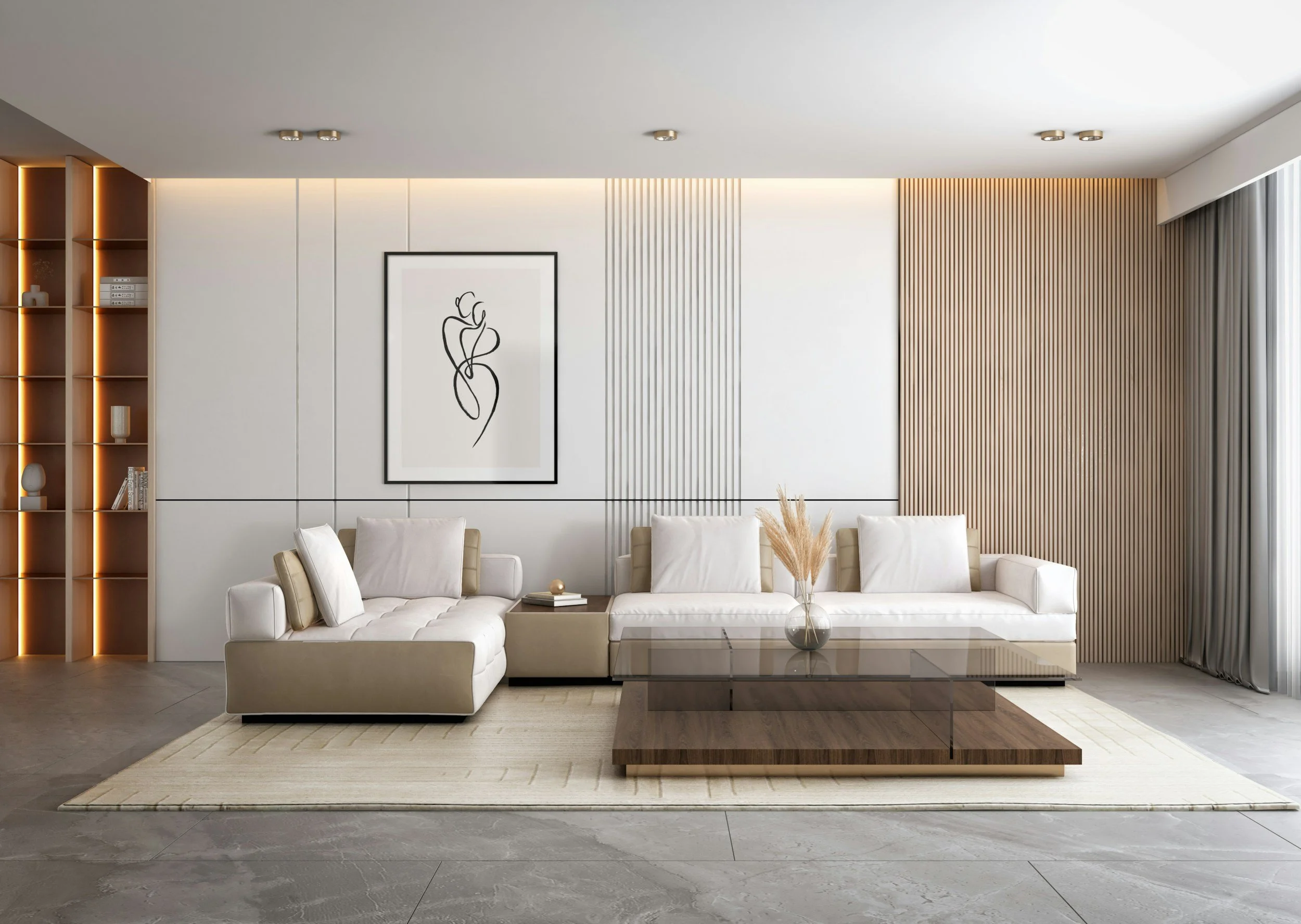
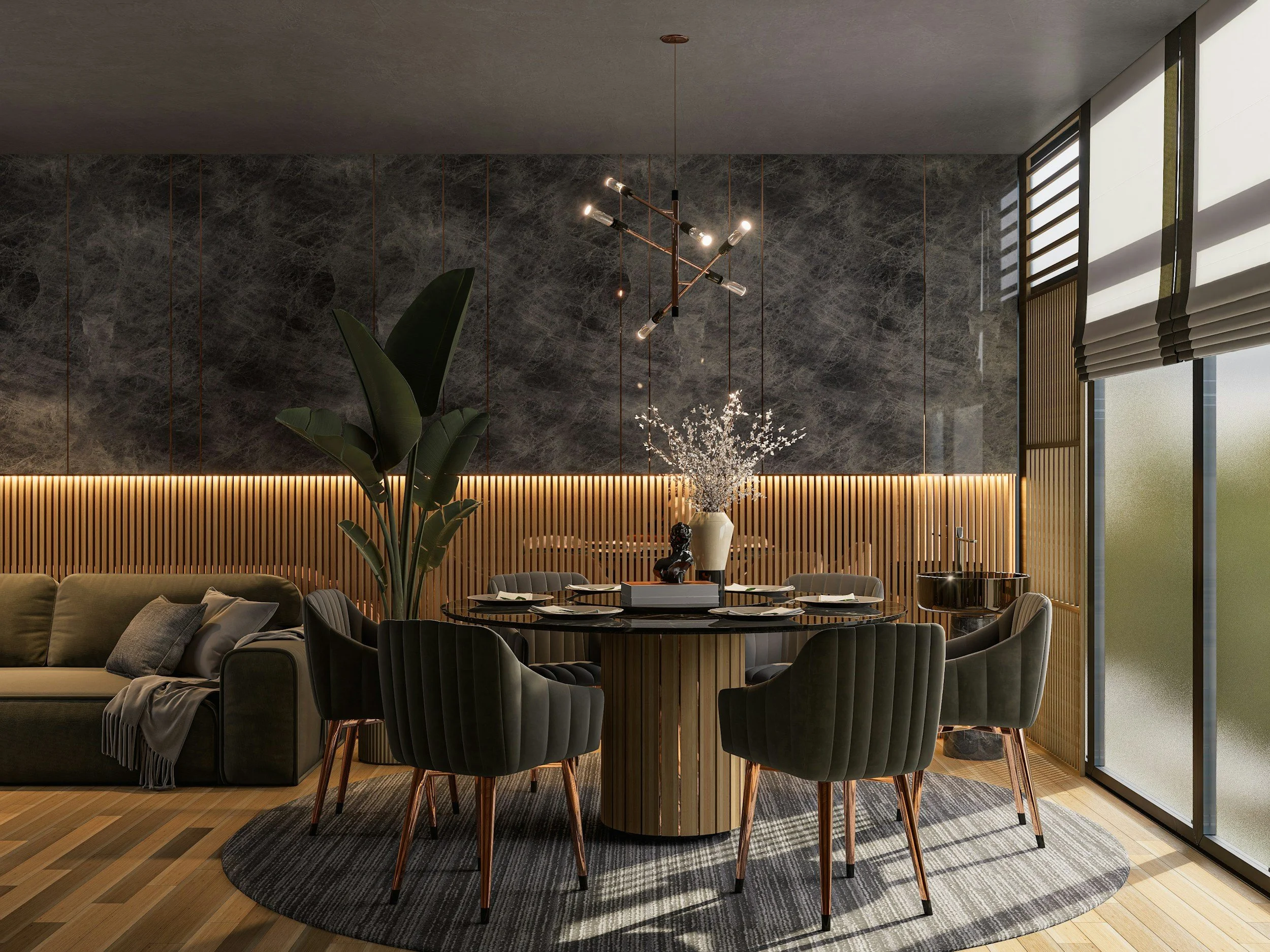
If you open any social feed today, you are bombarded by AI-generated interiors—perfectly symmetrical, impossibly lit, and entirely hollow. The algorithm has mastered the 'average.' It can aggregate every mid-century modern chair and every Pinterest-trending paint color into a single, frictionless image. But here is the secret the tech giants won't tell you: Friction is where the soul lives.
As we move further into the 2020s, the value of a designer isn't in their ability to 'create' an image. It’s in their ability to curate a reality. In a world of infinite digital noise, the most expensive luxury on earth isn't a smart home system—it’s human discernment.
Section 01: The Hallucination of Perfection
AI is a mirror, not a window. It reflects back what it has already seen. It can give you a 'perfect' room, but it cannot give you a meaningful one. It doesn’t know the way the light hits a specific piece of Maine granite at 4:00 PM in November. It doesn’t understand the tactile relief of a leather logbook that has traveled 10,000 miles in the passenger seat of a Sportage.
Designers who fear AI are those who spent their careers acting like machines—performing repetitive, administrative tasks. But for those of us operating in the Modern Analog, AI isn't a threat; it’s a superpower. It handles the 'Operations' so we can focus on the 'Intent.' We use the AI to visualize the impossible, but we use our humanity to make it inhabitable.
Section 02: Synergy Over Substitution
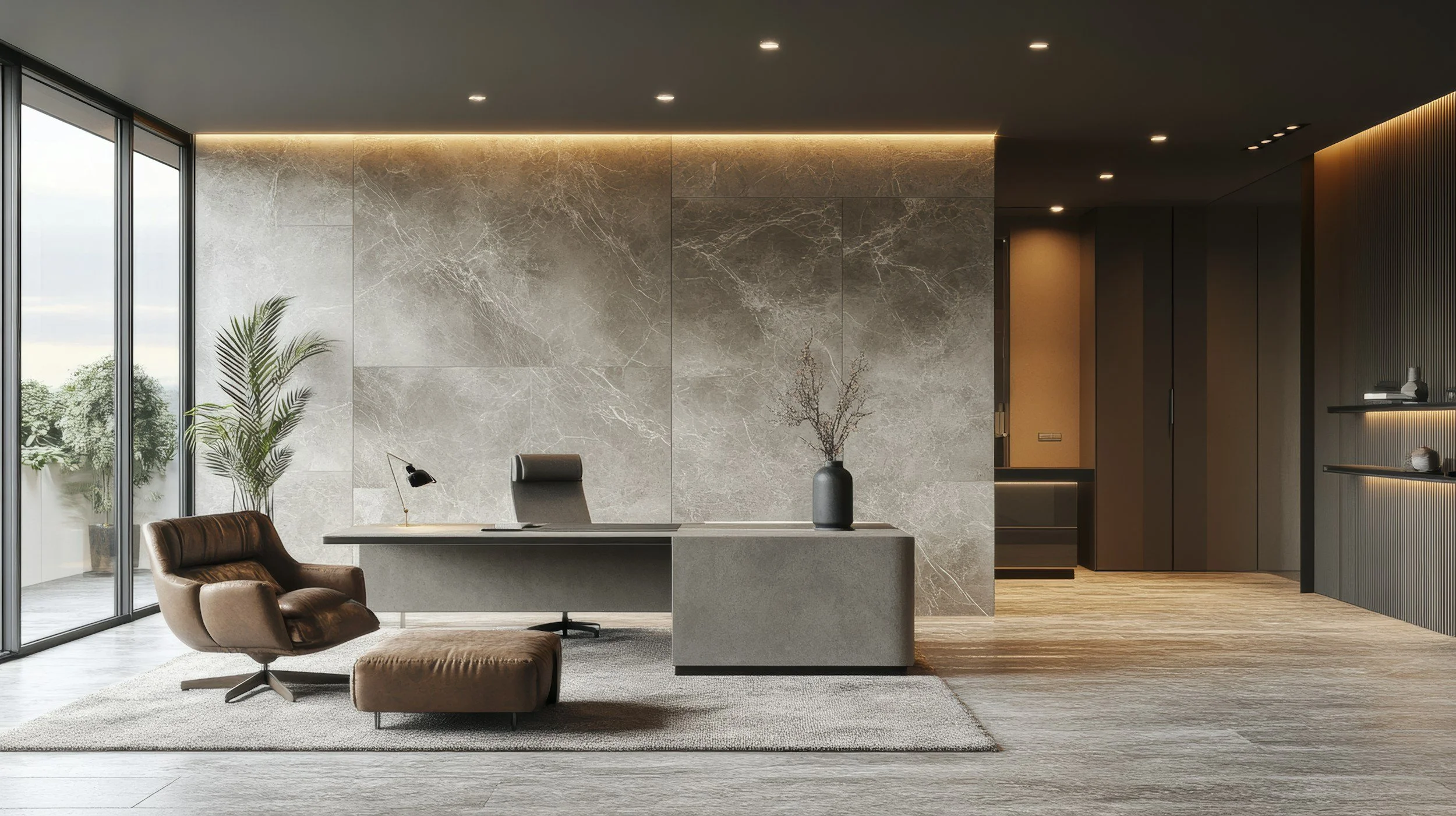
The future of this field is a synergy of high-tech and high-touch. I use AI as an 'Intelligence Asset.' It helps me process complex logistical data, simulate biophilic lighting, and rapidly prototype architectural concepts. It clears the brush so I can get to the heart of the project: The Human Experience.
People don't buy from algorithms. They buy from people. Why? Because an algorithm cannot have a 'belief.' It doesn't have a stake in the outcome. When I architect a Recovery Suite, I am bringing thirty-nine years of New England grit, a decade of global trade logistics, and a personal commitment to 'Elevation in Every Mile' to the table. You aren't paying for the pixels; you are paying for the conviction behind them.
Section 03: The Return to the Intentional
We are entering an era of 'Post-Digital' design. After the novelty of AI-generated perfection wears off, there will be a violent return to the Analog. We will crave the grain in the wood, the scent of the leather, and the weight of the stone.
My role at the Valletta Studio is to be the bridge. I use the most advanced tools of our time to strip away the noise of our time. I leverage the AI to ensure that when we finally step into your Forest Studio, every single point of friction has been removed, leaving only the stillness.
This is the new business principle: Use the machine to reclaim the man.
The Close: The Human Standard
The field of interior design isn't being replaced; it’s being elevated. Those who cling to the old ways of 'billable hours for CAD drawings' will fade. Those who step into the role of the Director—the one who commands the tech to serve the human soul—will define the next century of luxury.
We aren't just navigating the road less traveled; we are piloting it with a new set of instruments. And we’re doing it with our eyes wide open.